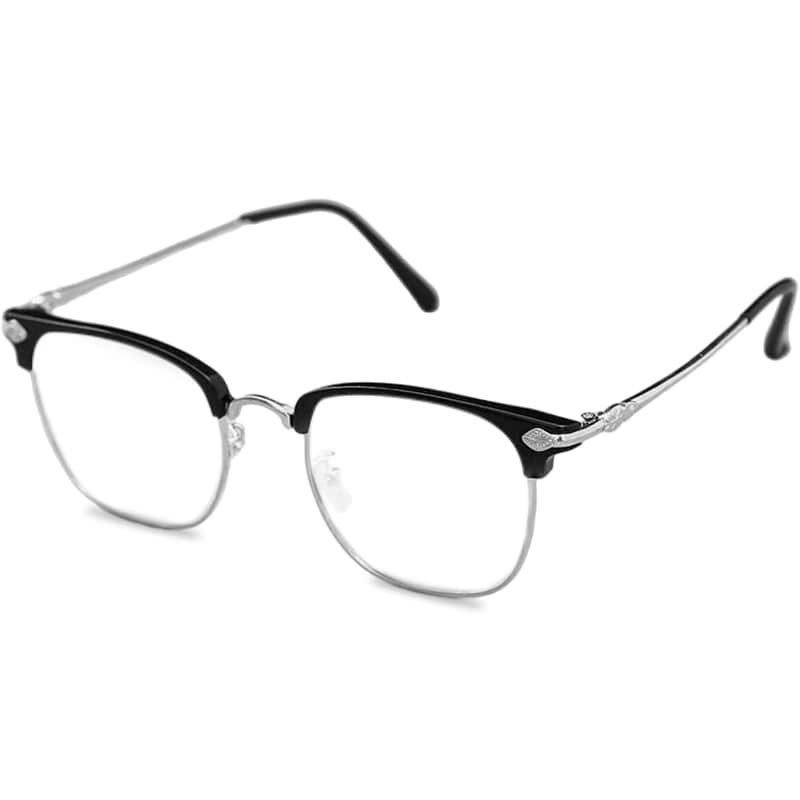

7 Reasons I Stopped Buying Drugstore Readers — And What I Wear Instead

I am forty-seven and I have owned, by my own count, fourteen pairs of reading glasses in the last four years. Petrol stations. Supermarket spinners. That two-for-one bin by the pharmacy counter.
Every single pair had the same problem. Look down at the page — perfect. Look up at anything further than my own hands — a smeared mess. So they came off. Then they went on. Then they came off again, and eventually they lived on my head, or on a table in another room, or nowhere I could find.
What finally changed my mind was not an advert. It was my sister-in-law, who is a retired schoolteacher and the least gadget-curious person I know, wearing the same pair for an entire afternoon — book, phone, garden, crossword — without touching them once.
I asked what they were. She said she had paid under forty dollars for them online and had been meaning to tell me for months.
So I bought a pair. Here is what actually made the difference, in the order it mattered to me.
Reason 1 — They are multi-focal, not single-strength magnifiers
This is the whole thing, really. Cheap readers are one strength across the entire lens. That is why the world beyond your book turns to soup.
These use a graduated multi-focal lens instead: stronger toward the bottom for close work, easing off toward the top for everything else. Your eye travels down the lens for the page and up for the room, and neither one requires taking anything off your face.
It took me about two days to stop thinking about it. Now I genuinely forget which pair I have on.
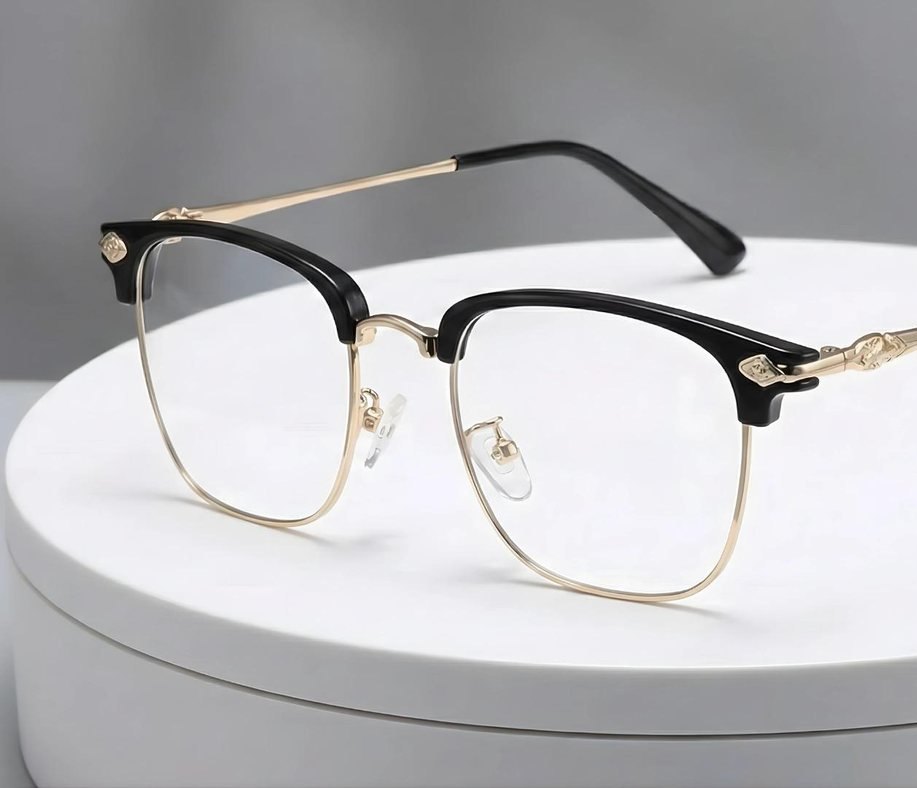
Reason 2 — The blue-light filter is in the lens, not sprayed on top
I read on a tablet most evenings, and I had been buying separate "computer glasses" for it like a mug.
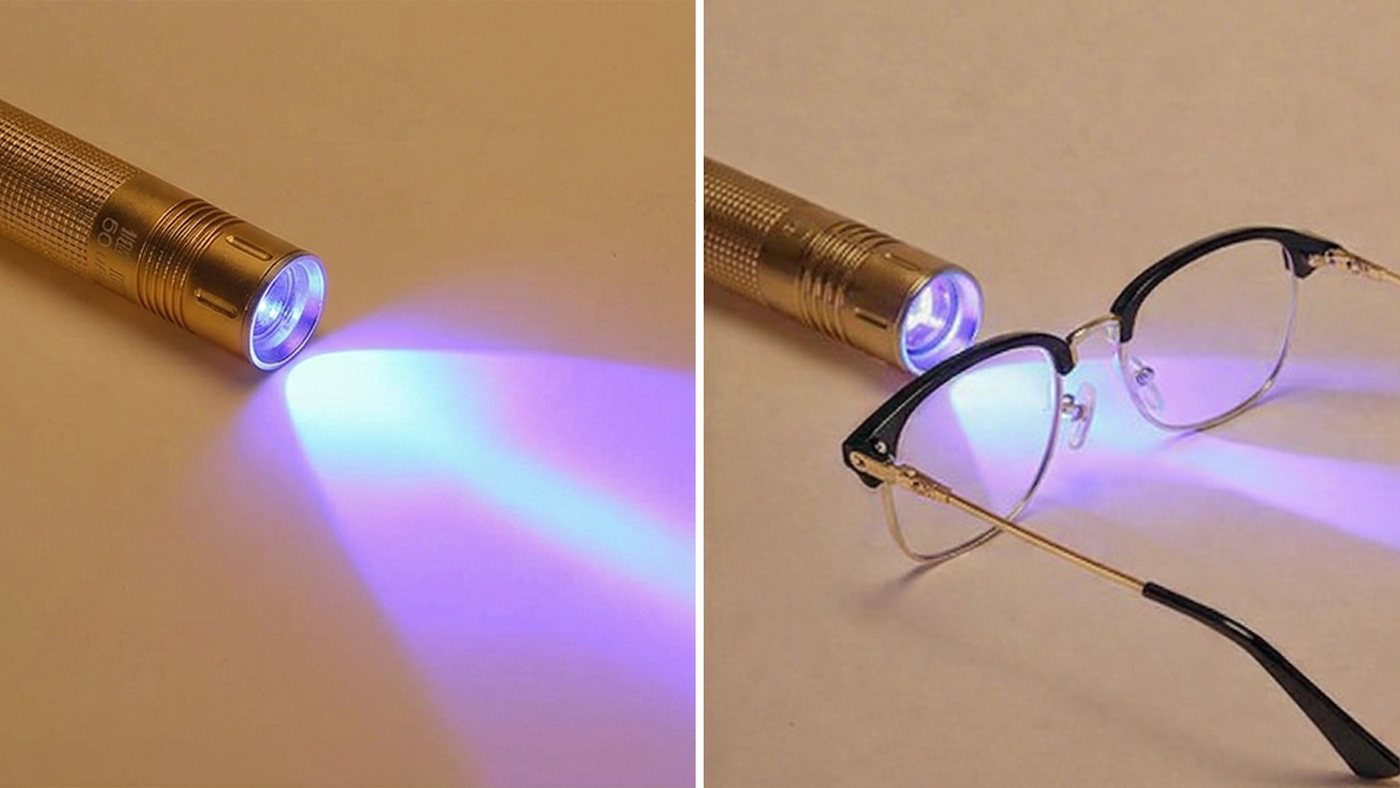
The filtering here is built into the lens material during manufacture rather than applied as a surface coating, which means it does not wear off with cleaning cloths, alcohol wipes or four months in a coat pocket.
You can see it working with a UV torch, which is exactly what I did on the kitchen table, feeling slightly ridiculous:
Reason 3 — UV protection that is not just for sunglasses
I had assumed UV was a summer, outdoors, sunglasses concern. It is not — it comes through windows and off screens all year.
These block UVA and UVB at the material level rather than through a coating. It costs nothing extra and it is simply one less thing to think about.
Reason 4 — They darken outside and clear indoors on their own
This is the feature I did not ask for and now would not give up.
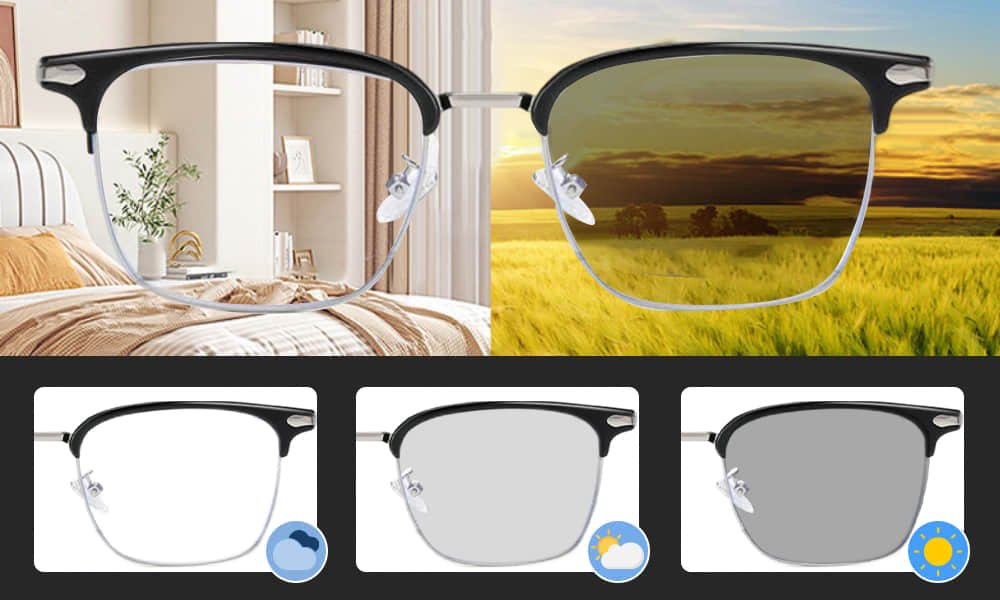
The lenses are photochromic. Step into daylight and they tint down over roughly ten seconds. Come back inside and they clear again. I stopped carrying a second pair of prescription sunglasses entirely, which also means I stopped losing a second pair of prescription sunglasses.

Reason 5 — Light enough that they stop existing
My old frames left two red dents either side of my nose and a dull ache behind my ears by about four in the afternoon. I had blamed my eyes for that for years. It was the glasses.
These weigh 17 grams. The frame is a flexible polymer with a thin metal rim, and after the first week I stopped noticing them at all — which, for something sitting on your face, is the highest praise available.
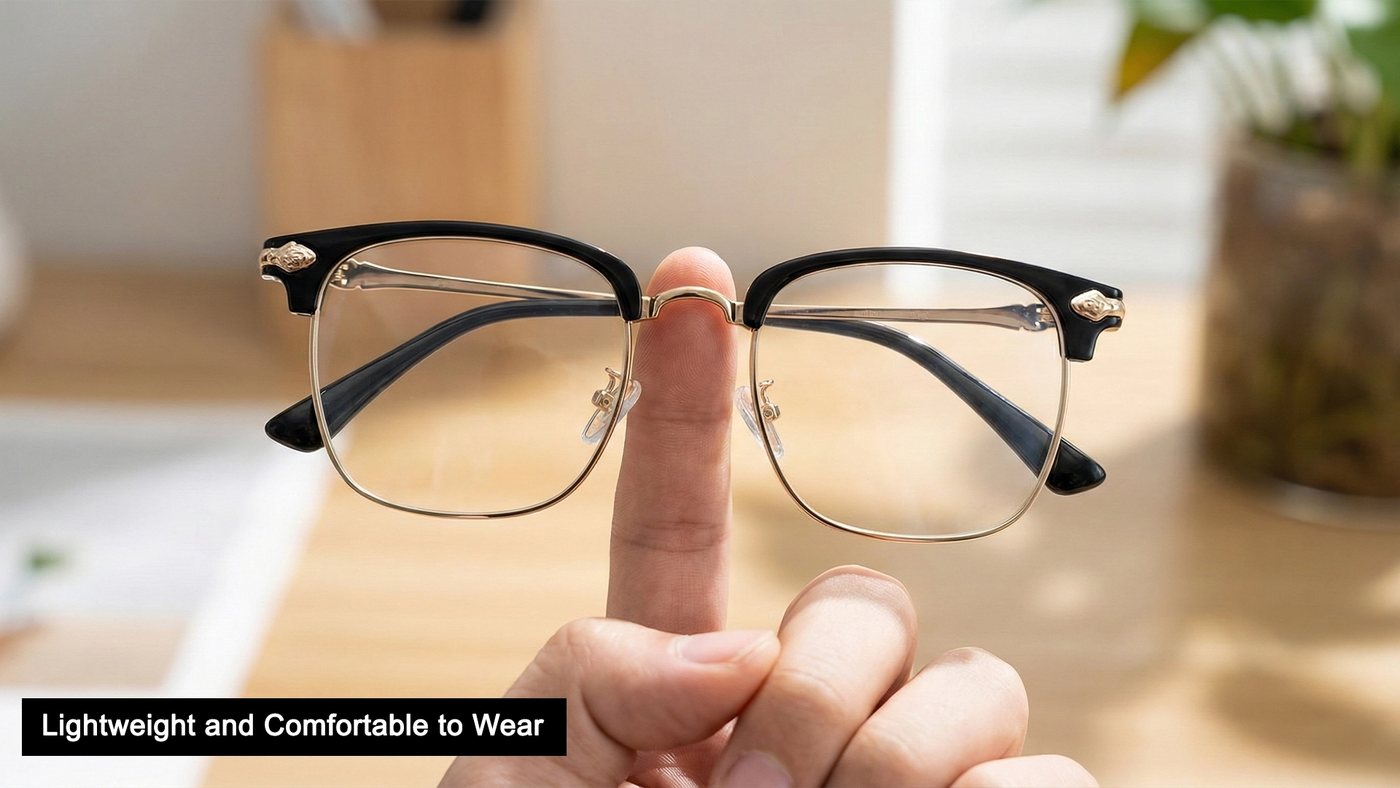
Reason 6 — They survive being sat on
I know this because I sat on mine, in a car, in April.
The temples flex a long way before anything protests, the hinges are reinforced rather than pinned through thin plastic, and the lenses have a scratch-resistant finish that has so far survived being tipped into a bag with keys in it more times than I would like to admit.
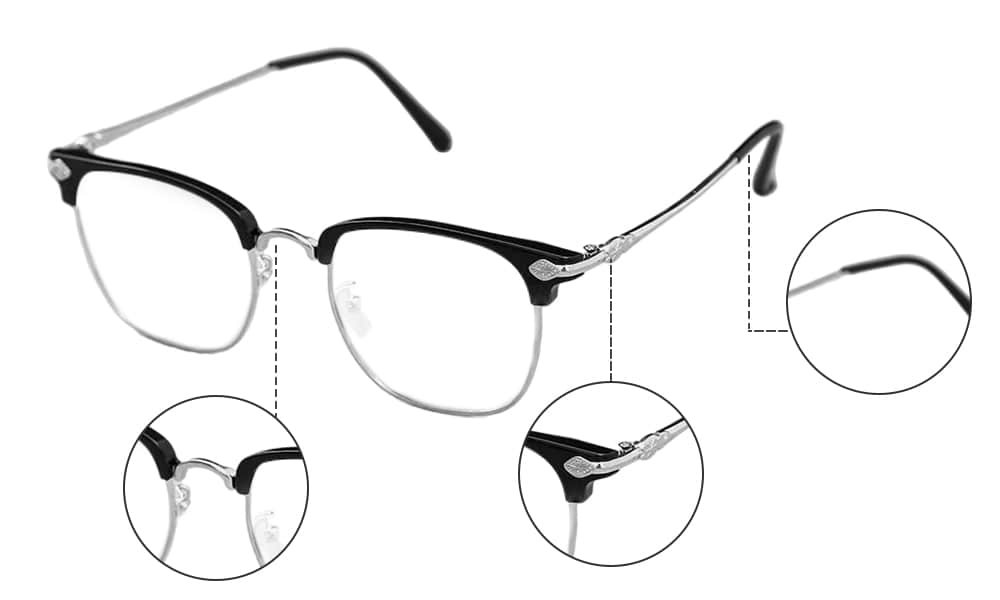
Reason 7 — The price is the point
Properly made progressive lenses from an optician start around four hundred dollars and climb quickly once you add frames and coatings. That is a real barrier, particularly for anyone on a fixed income, and it is why so many people settle for the spinner rack instead.
These are $39.99 at the moment, down from $79.98. I bought two pairs so there is one downstairs and one by the bed, and that still cost me less than a single trip to the optician would have.
The short version
- Multi-focal lens — read and look up without swapping
- Blue-light filtering fused into the lens
- UVA / UVB blocking at material level
- Photochromic — tints outdoors, clears indoors
- 17 grams, flexible polymer frame
- Scratch-resistant lens coating
What other people are saying
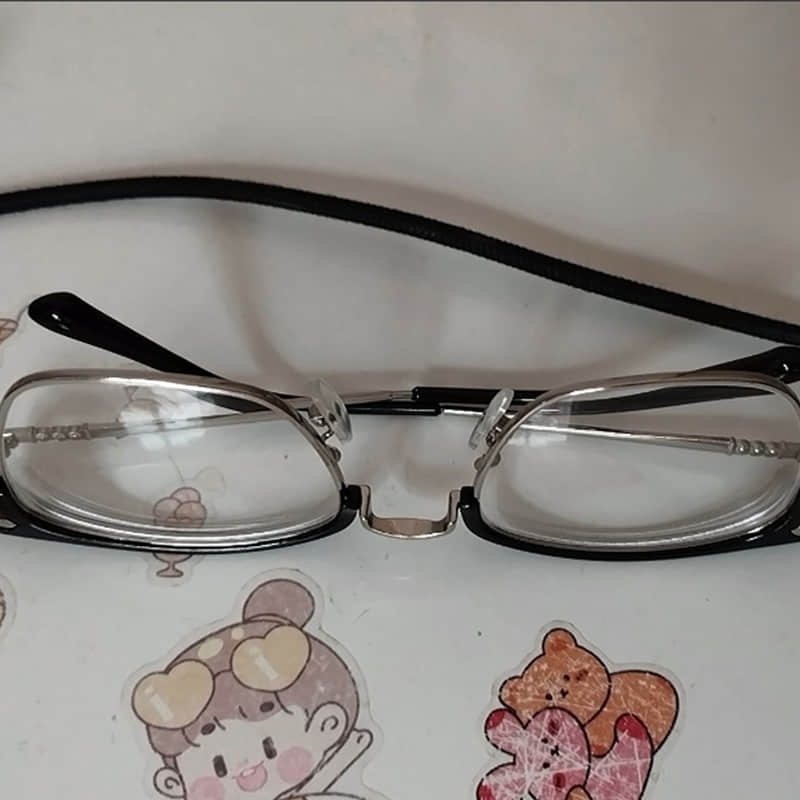
“Bought them for the crossword. Ended up wearing them for the whole day. My husband has now ordered his own pair.”
Denise R. — verified buyer
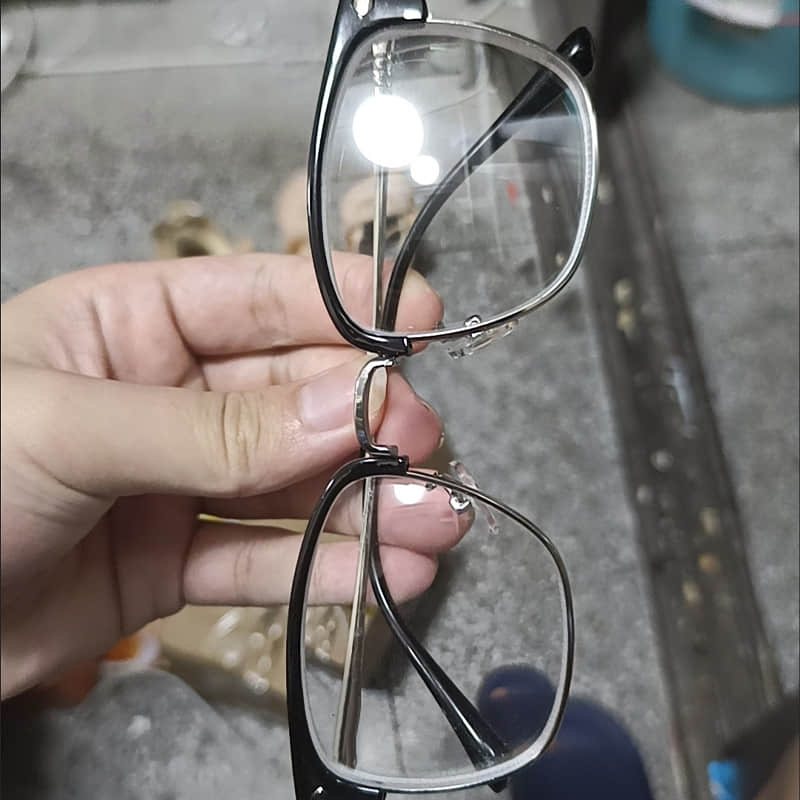
“I was expecting tat for the money. They are not tat. The lenses are properly clear right to the edge.”
Alan P. — verified buyer
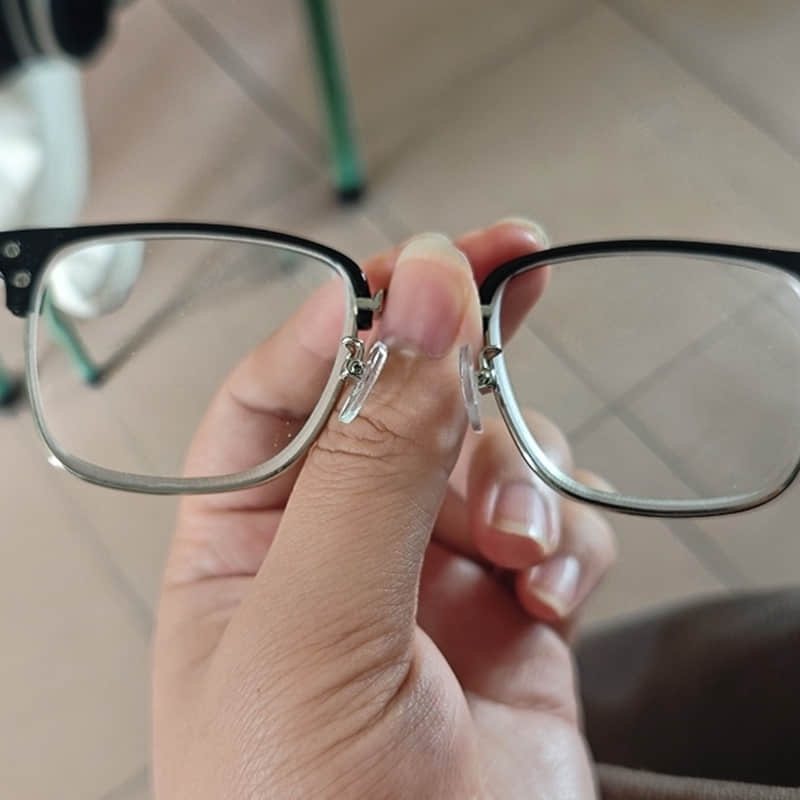
“Took me a few days to get used to looking through the bottom of the lens. Worth pushing through. Case is flimsy though.”
Marguerite T. — verified buyer
Are they worth it?
If you already wear prescription progressives from an optician, these are not going to replace them and I would not pretend otherwise.
But if you are on your fourth pair of drugstore readers this year, taking them on and off forty times a day, and carrying a separate pair of sunglasses on top of that — then yes. This is the first pair I have owned that I have not lost, broken or given up on.